
Ledger®® Live: Desktop® — Getting Started | official Ledger™
Ledger Live Desktop provides a convenient computer workspace for organizing accounts, viewing portfolio details, reviewing activity, and managing assets.
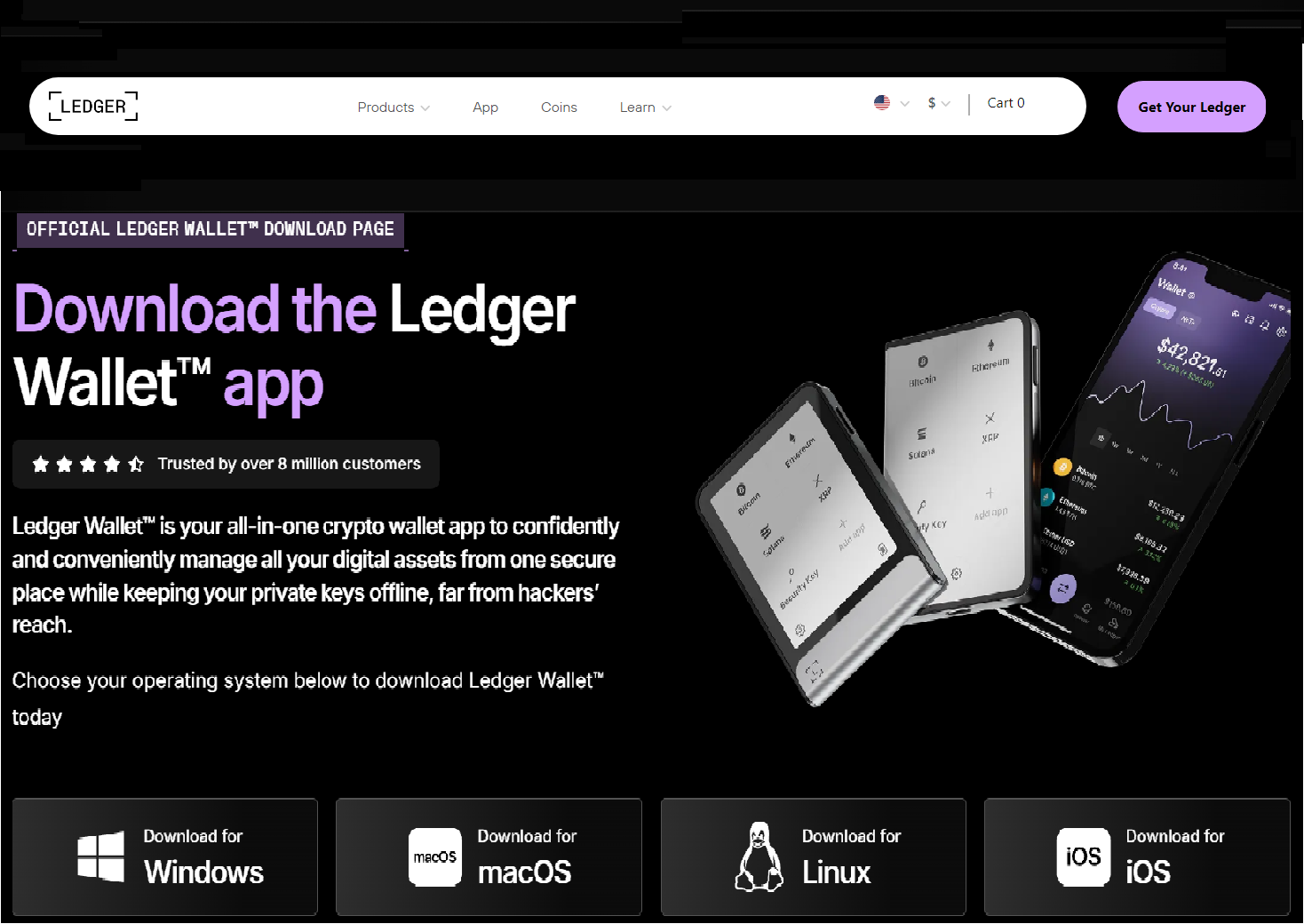
Ledger Live Desktop: Building a Safer Workflow for Everyday Wallet Sessions
A desktop wallet environment can be useful for users who prefer reviewing their digital assets on a larger screen. Ledger Live Desktop can support a structured approach to checking accounts, reviewing activity, and preparing transactions with a compatible Ledger hardware wallet.
The key to an effective workflow is consistency. Rather than treating every wallet session differently, users can develop a few repeatable habits that make everyday management easier to understand.
Begin Each Session With a Quick Check
Before starting an important wallet session, take a moment to confirm your surroundings and computer.
Use a computer you trust and avoid sensitive wallet activities on public or shared machines. Close unnecessary programs if they could create distractions or make it difficult to identify the information you are reviewing.
This short preparation step can become part of your regular routine.
Know What You Are Reviewing
Ledger Live Desktop can present information about accounts and digital assets in one desktop environment. Before taking action, understand which account and asset you are currently viewing.
This becomes especially important when several assets are held across different accounts. A quick account check before a transaction can help prevent selecting the wrong asset or destination.
Treat Transactions as Separate Tasks
It can be tempting to move quickly through a transaction when you have completed similar transfers before. A better approach is to treat every transaction as a separate task.
Review the recipient information, selected asset, amount, and network details. If the transaction involves an unfamiliar destination, spend additional time confirming the information.
Do not approve a transaction merely because the screen looks familiar. Read the details that matter for the specific transfer.
Use the Hardware Wallet as Part of Verification
A hardware wallet provides an additional point at which transaction information can be reviewed. Pay attention to what the device displays before confirming an important action.
If the information shown does not match what you expected, stop rather than approving automatically. Investigate the difference through trusted sources before continuing.
A pause at this stage can be more useful than trying to correct a transaction after it has been confirmed.
Keep Confidential Information Offline
Wallet management involves both public information and highly sensitive information.
Receiving addresses and transaction identifiers may be shared in appropriate situations, but recovery information should remain private. Do not enter recovery information into desktop applications, websites, forms, emails, or chat messages merely because someone claims it is necessary.
Unexpected requests for confidential wallet information should always be treated cautiously.
Review Activity After Transactions
Your workflow should not end immediately after approving a transaction. Check the resulting activity and make sure it corresponds with what you intended to do.
Keeping track of important transfers can also help you recognize unfamiliar activity later. For personal organization, maintain records that do not contain recovery information or other secrets.
Handle Unusual Situations Slowly
If Ledger Live Desktop displays something you do not understand, avoid making several changes at once.
Take note of the exact issue and seek information from trusted documentation or support channels. Avoid following instructions from random social-media accounts or unsolicited individuals who claim they can fix the problem.
A legitimate support process should not require you to reveal confidential recovery information.
Create a Simple Maintenance Routine
Every so often, review your accounts and wallet-management habits. Check whether your account structure remains understandable and whether you are consistently verifying transaction details.
You can also use this opportunity to remove unnecessary clutter from your desktop workflow and ensure that you know where to find trusted wallet information when you need it.
Conclusion
Ledger Live Desktop can be incorporated into a straightforward everyday wallet routine. Preparing your computer, understanding the account you are viewing, separating portfolio review from transaction approval, checking information carefully, and protecting confidential details can make desktop wallet sessions more organized.
Good wallet management does not require a complicated process. A consistent sequence of small verification steps can provide a clear framework for handling digital assets responsibly.
Updated about 4 hours ago