
Ledger®® Live: Desktop® — Getting Started | official Ledger™
Ledger Live Desktop provides a focused workspace for managing supported crypto accounts, reviewing holdings, tracking portfolios, and monitoring wallet activity.
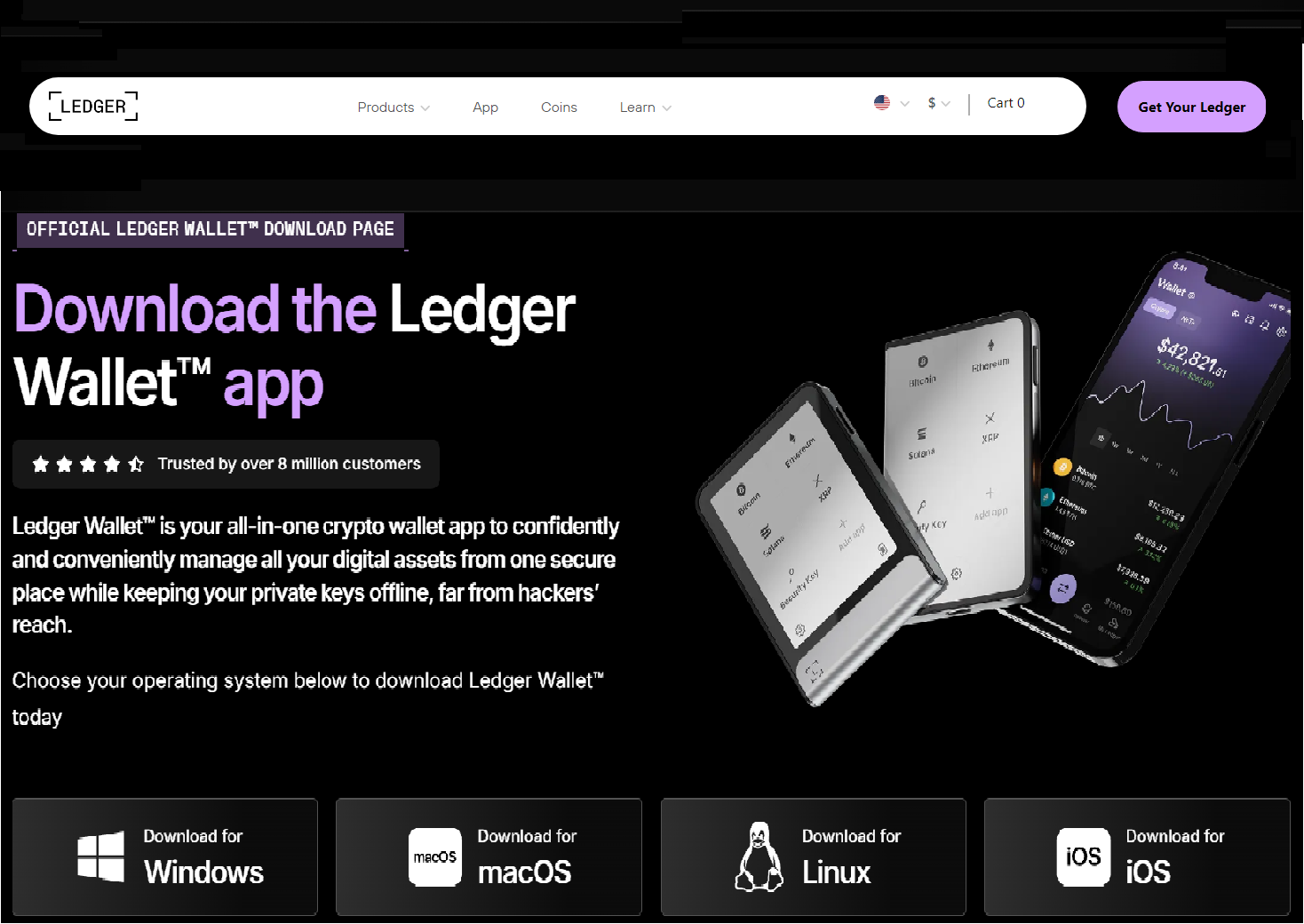
Ledger Live Desktop: Smart Practices for Secure and Organized Wallet Sessions
A well-organized wallet routine can make digital-asset management more straightforward. Ledger Live Desktop gives users a desktop environment for reviewing supported assets, managing compatible accounts, checking activity, and interacting with a Ledger hardware wallet.
For beginners and experienced users alike, the quality of a wallet session often depends on the process used before, during, and after an important action.
Prepare Your Computer First
Before starting a sensitive wallet session, use a computer that you trust. A private workspace can also help you concentrate on transaction details without unnecessary distractions.
Close applications and browser windows that are unrelated to the task. This simple preparation can make it easier to recognize the information belonging to your wallet session.
When obtaining wallet software, use trusted official sources. Avoid relying on download links sent through unsolicited messages or unknown social accounts.
Separate Portfolio Review From Transactions
Checking your portfolio does not necessarily mean you need to make a transaction.
Start by reviewing your accounts, balances, and recent activity. Once you understand the current state of your wallet, decide whether an action is actually required.
This separation can help prevent impulsive transactions and gives you time to investigate anything that looks unfamiliar.
Create an Account Organization System
Multiple accounts can be useful when they serve clear purposes. However, unnecessary complexity can make it harder to identify the correct account during a transaction.
Keep your structure understandable. Before preparing a transfer, confirm both the selected account and the asset you intend to use.
This small check is particularly useful when several assets are displayed in the same desktop environment.
Verify Receiving Information
Receiving transactions still require attention.
When providing a wallet address, confirm that you are using the address associated with the intended account. When receiving an address from another party, verify the destination using a trusted communication channel.
If the address suddenly changes from what you expected, do not assume the new information is correct. Pause and confirm it before proceeding.
Follow a Transaction Pre-Flight Check
Before approving an outgoing transaction, review the details in a consistent order:
Account → Asset → Recipient → Amount → Network → Confirmation
Checking these items systematically can reduce the chance of overlooking an important detail.
When the hardware wallet presents transaction information for confirmation, read it carefully. If the information differs from your expectations, stop before approving.
Recognize Suspicious Support Requests
Wallet users may encounter messages claiming that their account needs verification, an application requires recovery information, or a transaction needs to be urgently corrected.
Do not respond by sharing confidential information.
Instead, stop and find the relevant information through trusted documentation or official support channels. Treat unexpected requests for recovery information as a significant warning sign.
Keep Transaction Records Sensible
Maintaining non-sensitive transaction records can help with personal organization. Depending on your needs, you might record dates, asset names, amounts, or transaction identifiers.
However, do not store recovery information in spreadsheets, cloud notes, email drafts, screenshots, or other ordinary digital records.
Keeping confidential information out of everyday documentation is an important part of maintaining a cleaner security routine.
Handle Unexpected Changes Carefully
If your desktop wallet displays unfamiliar information, do not immediately make multiple changes to solve the issue.
Take note of what you see and consult trusted documentation. Avoid instructions from random individuals who contact you unexpectedly, especially if they request sensitive information.
A careful troubleshooting process is preferable to making decisions while under pressure.
Build a Consistent Maintenance Habit
Your wallet routine should continue after the initial setup. Periodically review your accounts, recent activity, software environment, and general security habits.
Ask whether your process remains easy to follow. If you frequently skip transaction verification because you are in a hurry, create a deliberate pause before every important approval.
Conclusion
Ledger Live Desktop can become a practical part of everyday crypto management when supported by a clear and repeatable process. Preparing your computer, organizing accounts, verifying transaction information, checking hardware-wallet confirmations, and protecting confidential details all contribute to a more structured workflow.
Keep the process simple and consistent. When something looks different from what you expected, pause, verify the information, and only then decide how to continue.
Updated about 3 hours ago