
Ledger®® Live: Desktop® — Getting Started | official Ledger™
Ledger Live Desktop provides a focused workspace for managing supported crypto accounts, reviewing holdings, tracking portfolios, and monitoring wallet activity.
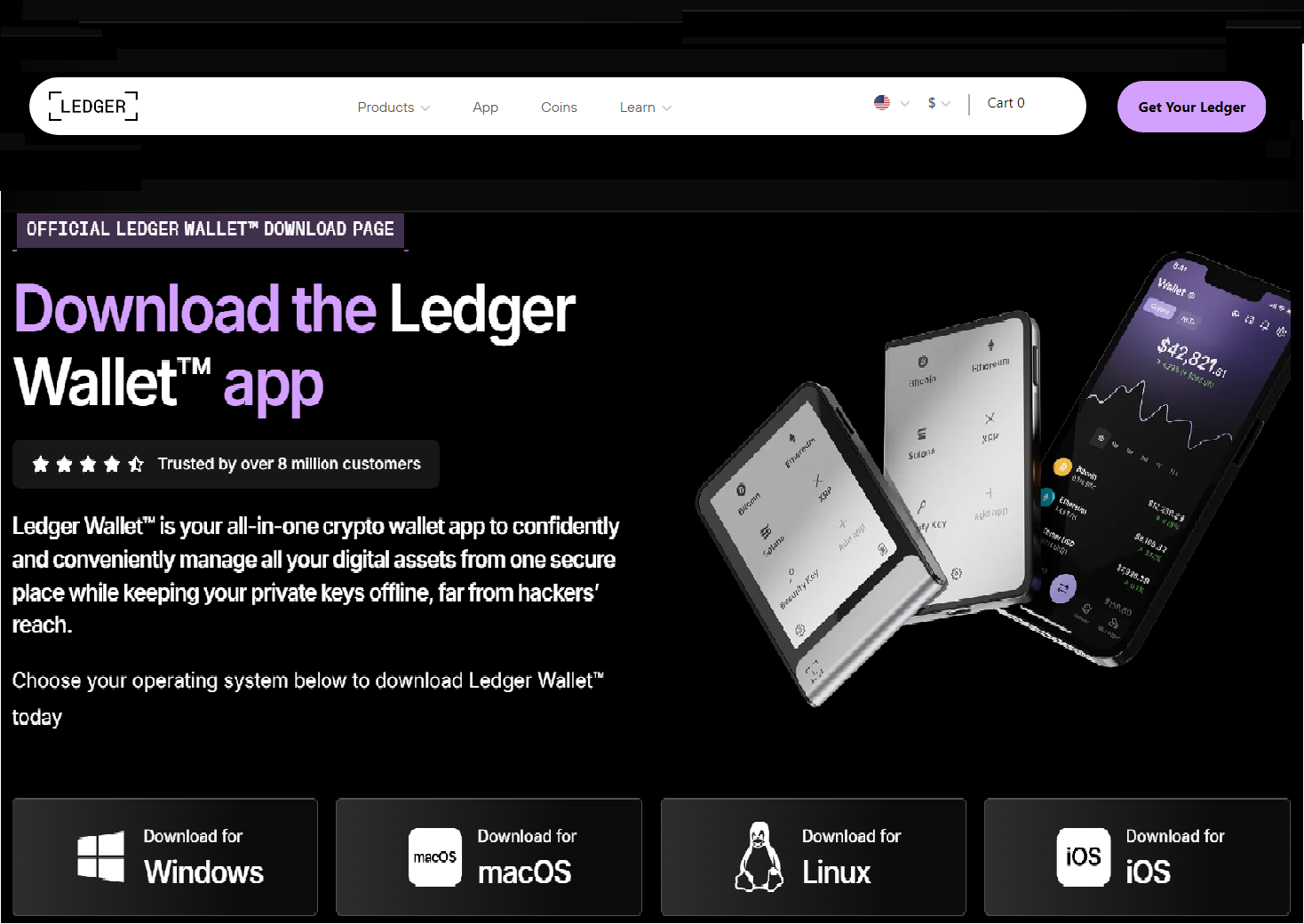
Ledger Live Desktop: What to Check Before, During, and After Every Important Transaction
A crypto transaction does not begin when you click the final confirmation button. A reliable workflow starts with preparation and continues through post-transaction review. Ledger Live Desktop can be part of this process, giving users a desktop environment for managing compatible accounts and working with a Ledger hardware wallet.
By dividing an important wallet session into three stages—before, during, and after—you can create a clear routine that is easier to repeat.
Before the Transaction: Prepare
Start by identifying exactly what you intend to do.
Confirm the account you plan to use and make sure you have selected the correct digital asset. If you are sending funds, identify the intended recipient before beginning the transaction.
Use a trusted computer and a private workspace. Avoid making sensitive transactions from public or unfamiliar devices.
It is also worth checking that you are using the intended wallet software source. Do not automatically trust links provided through unsolicited messages.
Before Sending: Verify the Recipient
Recipient information deserves particular attention.
Crypto addresses can be long and difficult to read, so avoid assuming that an address is correct simply because it looks familiar. Confirm the destination using a reliable source.
If someone sends you a new address unexpectedly, verify the change independently before using it.
For an unfamiliar destination or significant transfer, some users may choose to make a smaller test transaction first when practical.
During the Transaction: Read the Details
Once the transaction has been prepared in Ledger Live Desktop, slow down before approval.
Check the selected asset, amount, destination, and network. Do not move forward simply because the transaction screen looks familiar.
When your hardware wallet displays information for confirmation, read it carefully. The device confirmation should be treated as an important part of the approval process.
If anything differs from what you expected, stop.
During Confirmation: Do Not Let Urgency Decide
Unexpected urgency is a reason to pause rather than hurry.
If someone is telling you that you must approve a transaction immediately or provide confidential wallet information to prevent a supposed problem, independently verify the situation first.
Never share recovery information simply because someone claims that it is needed for technical assistance.
After the Transaction: Review the Activity
Once the transaction has been approved, check the resulting wallet activity.
Make sure the transaction corresponds with your intended action. Depending on the asset and network, confirmation times can vary, so avoid assuming that a pending transaction automatically indicates a problem.
Use appropriate transaction information to monitor its progress.
After Important Transfers: Keep Useful Records
Personal records can help you maintain an organized portfolio.
You may record non-sensitive information such as the date, asset, amount, recipient description, or transaction identifier. However, do not include recovery information or other confidential wallet secrets in these records.
Digital organization should never come at the expense of security.
What If Something Looks Wrong?
If the desktop application or hardware wallet displays information you do not recognize, do not immediately make additional changes.
Pause and record the relevant details. Then consult trusted documentation or legitimate support resources.
Avoid accepting assistance from unsolicited individuals who request confidential information or ask you to install unfamiliar software.
Make the Three-Stage Routine Automatic
Over time, the process can become simple:
Before: Prepare the account, recipient, asset, and workspace.
During: Review the transaction and hardware-wallet confirmation carefully.
After: Check the resulting activity and maintain appropriate records.
This framework can be used for different types of important wallet sessions without requiring a complicated checklist every time.
Conclusion
Ledger Live Desktop can support a structured transaction workflow when users approach each important action deliberately. Preparing beforehand, verifying details during the transaction, and reviewing activity afterward creates clear points where mistakes or unusual information can be noticed.
The goal is consistency. A short verification routine performed every time can become one of the most useful habits in everyday digital-asset management.
Updated about 3 hours ago